2 Best Compression Wear for 2026 That Enhance Performance
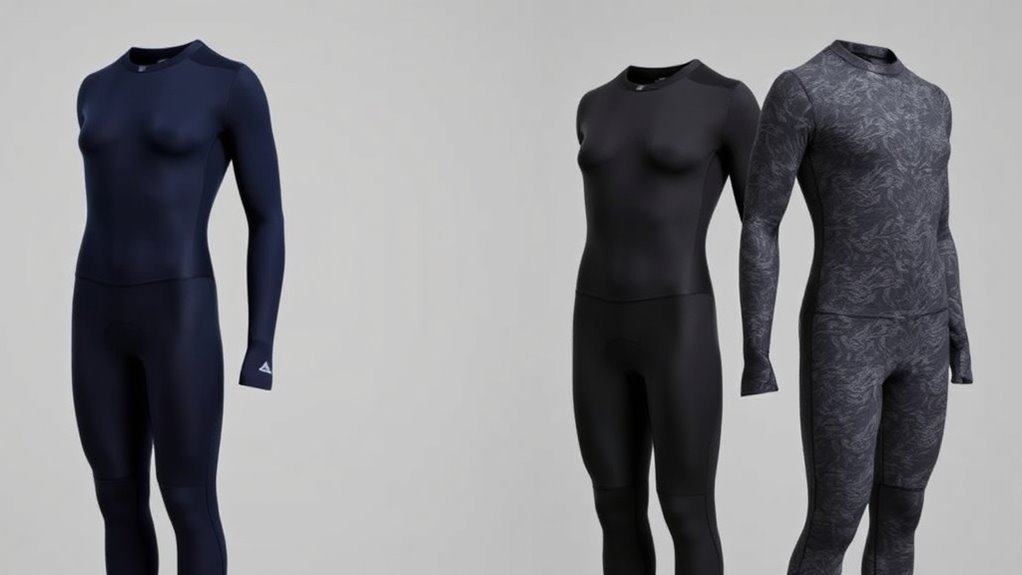
For 2026, the Beister Medical Compression Pantyhose and Truform Sheer Compression Stockings are your top picks to enhance performance. The Beister pantyhose offer a 20-30 mmHg graduated compression that targets circulation, while Truform’s knee-high design with 15-20 mmHg is perfect for long hours of comfort. Both options prioritize breathability and moisture control for all-day wear. If you’re curious about what else these compression wears can do for you, stick around to find out more!
Key Takeaways
- Beister Medical Compression Pantyhose offers 20-30 mmHg graduated compression, enhancing circulation and reducing swelling for performance-driven activities.
- Truform Sheer Compression Stockings provide 15-20 mmHg compression, ideal for long hours of standing or travel, promoting comfort and preventing leg issues.
- Choose compression wear based on individual medical needs to maximize therapeutic benefits and enhance overall performance.
- Prioritize breathable materials like nylon and spandex for moisture control and comfort during extended use to prevent overheating.
- Ensure a proper fit by measuring ankle, calf, and thigh circumference and consult sizing charts for optimal effectiveness in performance activities.
| beister Medical Compression Pantyhose for Women & Men |

| Best for Circulation | Compression Level: 20-30 mmHg | Target Audience: Women and Men (various professions) | Material Composition: 70% nylon, 25% spandex, 5% elastane | VIEW LATEST PRICE | Read Our Analysis |
| Truform Sheer Compression Stockings Knee High Medium |

| Soft & Supportive | Compression Level: 15-20 mmHg | Target Audience: Women (specifically) | Material Composition: 80% nylon, 20% spandex | VIEW LATEST PRICE | Read Our Analysis |
More Details on Our Top Picks
beister Medical Compression Pantyhose for Women & Men
If you’re looking for comfortable and effective support, the Beister Medical Compression Pantyhose for Women & Men is an excellent choice for anyone who spends long hours on their feet, such as teachers or nurses. These pantyhose offer graduated compression of 20-30mmHg, targeting circulation and reducing swelling effectively. Made from a blend of nylon and spandex, they guarantee both breathability and durability. Ideal for those with varicose veins or recovering from surgery, these footless, waist-high designs provide comfort without sacrificing support. With a strong elastic waist and reinforced areas, you can stay active without worrying about discomfort or slipping.
- Compression Level:20-30 mmHg
- Target Audience:Women and Men (various professions)
- Material Composition:70% nylon, 25% spandex, 5% elastane
- Design Style:Footless, waist-high
- Health Benefits:Reduces swelling, promotes circulation
- Breathability:Designed for breathability
- Additional Feature:Graduated support structure
- Additional Feature:Footless, waist-high design
- Additional Feature:Reinforced crotch area
Truform Sheer Compression Stockings Knee High Medium
Truform Sheer Compression Stockings, Knee High, Medium, are the perfect choice for anyone seeking comfortable and effective support during long hours of standing, sitting, or traveling. With a compression level of 15-20 mmHg, they promote better circulation, aiding recovery from fatigue and reducing swelling. Made from 80% nylon and 20% spandex, these lightweight and breathable stockings fit snugly without being constrictive. The soft top band and knit heel pocket guarantee they stay in place. Ideal for soothing sore legs, preventing varicose veins, and offering relief during pregnancy, you’ll appreciate the quality and health benefits of these American-made stockings.
- Compression Level:15-20 mmHg
- Target Audience:Women (specifically)
- Material Composition:80% nylon, 20% spandex
- Design Style:Knee high
- Health Benefits:Improves circulation, relieves tired legs
- Breathability:Lightweight and breathable construction
- Additional Feature:Soft top band
- Additional Feature:Knit heel pocket
- Additional Feature:Made in the USA
Factors to Consider When Choosing Compression Wear
When you’re choosing compression wear, it’s essential to take into account a few key factors to guarantee you get the best fit and function. Think about the compression level you need, the material’s comfort and durability, and how the design fits your body. Also, take into account the specific health benefits you’re targeting and how the wear aligns with your lifestyle.
Compression Level Importance
Choosing the right compression level is essential for maximizing the benefits of your compression wear, especially since individual needs can vary widely. Compression levels are measured in mmHg, with 15-20 mmHg suitable for mild conditions and 20-30 mmHg recommended for moderate to severe issues like varicose veins and DVT. Higher levels, such as 20-30 mmHg, often provide more support and are beneficial post-surgery to enhance circulation and reduce swelling. Graduated compression therapy, which applies the most pressure at the ankle, promotes better blood flow back to the heart. It’s vital to select your compression level based on your specific medical conditions, lifestyle, and duration of wear to fully experience the therapeutic benefits tailored to your needs.
Material Comfort and Durability
The effectiveness of compression wear doesn’t only hinge on the right compression level—it also heavily relies on the materials used. When choosing your gear, look for blends of nylon, spandex, and elastane, as they offer durability, stretch, and breathability. A higher percentage of spandex boosts elasticity, ensuring the garment fits snugly and retains its shape over time. Breathable fabrics are essential, especially for long bouts of wear, as they wick moisture away from your skin and help reduce heat buildup. Additionally, reinforced features like a strong elastic waist and a sturdy crotch improve longevity by preventing slipping and tearing. If you have sensitivities, consider latex-free options to maintain skin comfort without sacrificing support.
Design and Fit
To maximize the benefits of compression wear, it’s vital to contemplate both design and fit. Look for garments that offer graduated support, with the most compression at the ankle, easing as it moves up your leg. This helps promote proper blood circulation. Make certain the fit is snug yet comfortable, allowing for smooth movement without constricting circulation. Choose the right length—knee-high or thigh-high—based on how long you’ll be sitting or standing. Opt for breathable materials like nylon and spandex to enhance comfort. Finally, consider adjustable features like a soft top band or reinforced heel pockets to make sure your compression wear stays in place and delivers consistent performance when you need it.
Targeted Health Benefits
Many people underestimate the specific health benefits of compression wear, but these garments can make a significant difference, especially for those with conditions like varicose veins or chronic swelling. Compression wear utilizes graduated compression levels to reduce swelling effectively and promotes blood circulation, which is essential for muscle recovery and reducing fatigue during long periods of sitting or standing. For higher needs, such as post-surgery or chronic conditions, opting for garments with 20-30 mmHg compression can alleviate leg pain and lower the risk of blood clots. Expectant mothers can also benefit, as compression wear helps manage pregnancy-related swelling. To maximize these benefits, make certain you choose the right size and fit; incorrect sizing can compromise effectiveness and lead to discomfort.
Usage and Lifestyle Needs
When selecting compression wear, it’s important to keep your lifestyle and daily activities in mind. Think about your job requirements; if you’re in nursing or teaching, you might need higher compression levels to combat fatigue. Also, consider any health conditions; various compression levels, like 15-20 mmHg for varicose veins, can be vital. The length of the compression wear matters too—knee-highs work well for sitting, while thigh-highs or full pantyhose are better for those on their feet. Don’t overlook comfort and fit; breathable materials with reinforced areas enhance wearability for longer durations. Finally, verify the design matches your style preferences to encourage regular use and help you meet your health goals.
Breathability and Moisture Control
Breathability and moisture control are vital features in compression wear, especially if you plan to wear it for extended periods. Look for materials like nylon and spandex, which effectively wick moisture away, keeping your skin dry. A high denier count can impact breathability; opting for lower denier fabrics often provides better airflow without sacrificing compression. Also, consider garments featuring mesh or perforated designs; these enhance ventilation and overall comfort during daily activities. Proper moisture control is fundamental for preventing skin irritation and overheating, particularly if you’re active or in warm environments. By prioritizing breathability and moisture management, you’ll guarantee a comfortable, high-performance experience that supports your activities throughout the day.
Size Measurement Guidelines
Choosing the right size for compression wear is essential for achieving ideal performance and comfort. Start by measuring your ankle, calf, and thigh circumference, as sizes can vary between brands. Use a flexible measuring tape, and make certain you’re standing while recording measurements, which captures natural muscle tension. Always refer to the manufacturer’s specific sizing chart; different compression levels may have unique guidelines. For the most reliable results, measure at different times of the day, preferably in the morning, since swelling can occur throughout. Finally, take your measurements over bare skin to avoid any extra bulk that might affect size selection. This attention to detail will guarantee you find the perfect fit for your performance needs.
Questions
How Do Compression Garments Improve Athletic Performance?
Compression garments improve athletic performance by increasing blood circulation, reducing muscle vibration, and enhancing recovery. When you wear them, you’ll likely experience better endurance, reduced fatigue, and quicker recovery times, helping you push your limits.
Can Compression Wear Be Used for Recovery After Workouts?
Yes, you can use compression wear for recovery after workouts. It helps reduce muscle soreness, improves blood circulation, and speeds up healing, allowing you to bounce back faster and feel ready for your next training session.
What Are the Recommended Care Instructions for Compression Wear?
To care for your compression wear, wash it in cold water with mild detergent, avoid fabric softeners, and air dry. Never bleach or iron it. Proper care extends its lifespan and maintains its compression qualities.
Are There Any Specific Size Charts for Different Brands?
Many people wear the wrong size—up to 80% of them! Each brand typically provides specific size charts on their websites. Checking these charts before purchasing guarantees you find the perfect fit for maximum performance.
Can Compression Wear Be Worn During Everyday Activities?
Yes, you can definitely wear compression wear during everyday activities. It provides support and comfort, making it perfect for casual outings or workouts. Just choose the right fit, and you’ll feel great all day long.